
TMJ Treatment Alexandria
Effective, Personalized Treatment to Address Jaw Pain

At our practice, we strive to ensure our patients are able to live a life free of oral pain, including jaw pain. Dr. Mazhari’s extensive specialized experience in the treatment and diagnosis of TMJ disorder allows us to address life-impacting issues like lockjaw, headaches/migraines, and difficulty chewing. To learn more about this condition, whether you’re impacted by it, and our options for TMJ treatment, schedule a consultation with our team today.
Why Choose Alexandria Dental Health & Smile Studio for TMJ Treatment?
- Highly Skilled Dentist with 30+ Years of Experience
- Dentist is a Fellow of the Renowned Las Vegas Institute
- Friendly, Empathetic, & Compassionate Dental Team
What is TMJ Disorder?
TMJ disorder, also called TMD or temporomandibular joint disorder, is an umbrella term that encompasses a range of problems that can afflict the two jaw joints. The temporomandibular joints are located on either side of the cranium, and they connect the jawbone to the skull, allowing for proper jaw movement.
A range of issues—from trauma to overwork—can impact the temporomandibular joint(s) and cause pain or difficulty when moving the jaw. Severe TMD can also cause other symptoms throughout the head and body, including headaches and neck pain.
Common Symptoms of TMJ Disorder

There are several typical symptoms of TMJ disorder, and while some patients may experience many at once, others may notice none at all. Dr. Mazhari will look for signs of a problem during your routine exams, which can include worn or damaged teeth. Some of the most common TMD symptoms include:
- Teeth grinding or clenching, often characterized by tooth wear
- Frequent headaches or migraines
- Earaches and a general feeling of fullness in the ears
- Neck and/or shoulder pain
- Limited mobility in the jaw
- Clicking or popping when opening or closing the jaw
Diagnosing TMJ Problems
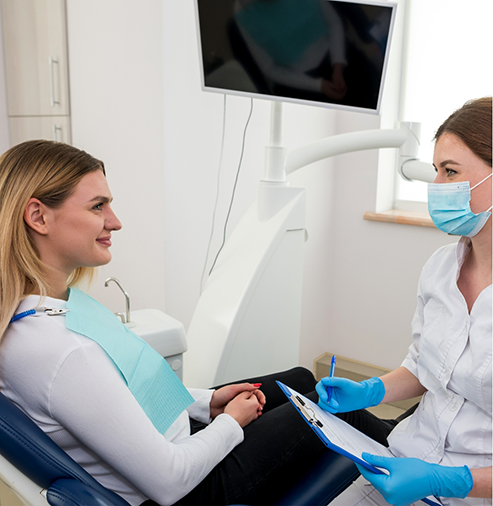
Dr. Mazhari will use the K-7 evaluation system to provide an in-depth assessment of the function of your jaw joint. This advanced technology uses electromyography and Doppler sonography to analyze the movement, tension, and sounds when the jaw is in motion—important aspects of making a clinical diagnosis of TMJ disorder. This comprehensive analysis enables Dr. Mazhari to determine the best treatment option for restoring a comfortable, healthy bite.
How We Treat TMJ Disorder
Based on Dr. Mazhari’s evaluation of your jaw joint function, she may recommend one or more of the following treatments:
Occlusal Splints
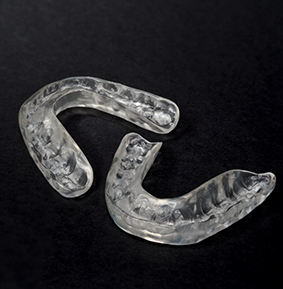
An occlusal splint is an orthotic device that’s designed to shift the jaw into its ideal position as you sleep, helping reduce strain and tension on one or both of the jaw joints. When worn regularly, this can help reduce your symptoms, like jaw pain, clicking and popping of the jaw joints, and more.
Equilibration/Occlusal Adjustments
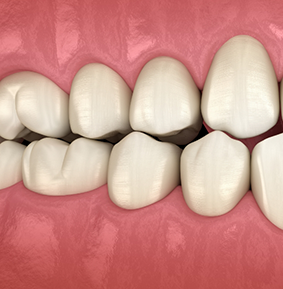
Occasionally, jaw pain and dysfunction can be caused by improperly fitted dental restorations, like crowns and fillings. Dr. Mazhari can adjust your restorations to achieve a more even bite. This will help prevent one or both of your jaw joints from working overtime due to bite misalignment.
Treatment with a TENS Machine
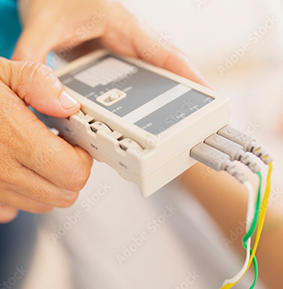
A TENS machine is a specialty device that’s often used in physical therapy spaces to help manage pain caused by overactive muscles and nerves. By applying it to the jaw area, it will deliver mild, soothing pulses that help calm overworked facial muscles and reduce discomfort, making it a simple and noninvasive way to manage facial pain.